
Every person’s experience is unique. Your care should be just as specialized
Neuro physical therapy isn’t a one-size-fits-all, and that’s really the beauty of it. Whatever the condition, we bring a unique attention to detail, specialized focus, and depth of expertise to bring you to a better way to live. If you’re not sure whether we can help - schedule a call with us. In most cases, we can.
How We Treat - No Matter the Diagnosis
Neuroplasticity Always Matters
Neuroplasticity - the brain and nervous system's capacity to adapt and form new connections - does not switch off based on diagnosis. We capitalize on the concepts of neuroplasticity to promote brain and body function, no matter the cause.

Expertise with the Unknown
An unfamiliar neurological diagnosis that falls outside common categories deserves the same depth of assessment, the same quality of reasoning, and the same individualized planning as any other. A rare diagnosis doesn’t mean a lesser standard of care - it requires a higher standard.

Recovery vs Reality
For some conditions, the goal is recovery. For others - including terminal diagnoses - it’s about maintaining dignity and quality of life for as long as possible. We’re willing to face reality together with our clients. Our work doesn't change because the prognosis is difficult. If anything, it matters more.
Additional Diagnoses We Treat
-
We address fatigue management, balance, gait, spasticity, and fall prevention to help you adapt to the ever-changing course of MS.
-
Physical therapy plays a vital role in maintaining function and quality of life in ALS. We’ll help preserve strength, mobility, and dignity for as long as possible.
-
Recovery from GBS can be a long process. We guide patients through the rehabilitation continuum — from early weakness to full return of strength and function.
-
Exercise has strong evidence for slowing cognitive decline and reducing fall risk in people with dementia. We design safe, structured programs in close coordination with caregivers.
-
Spinal cord changes can cause gait disturbance, weakness, and coordination problems. We work to restore function before or after surgical intervention.
-
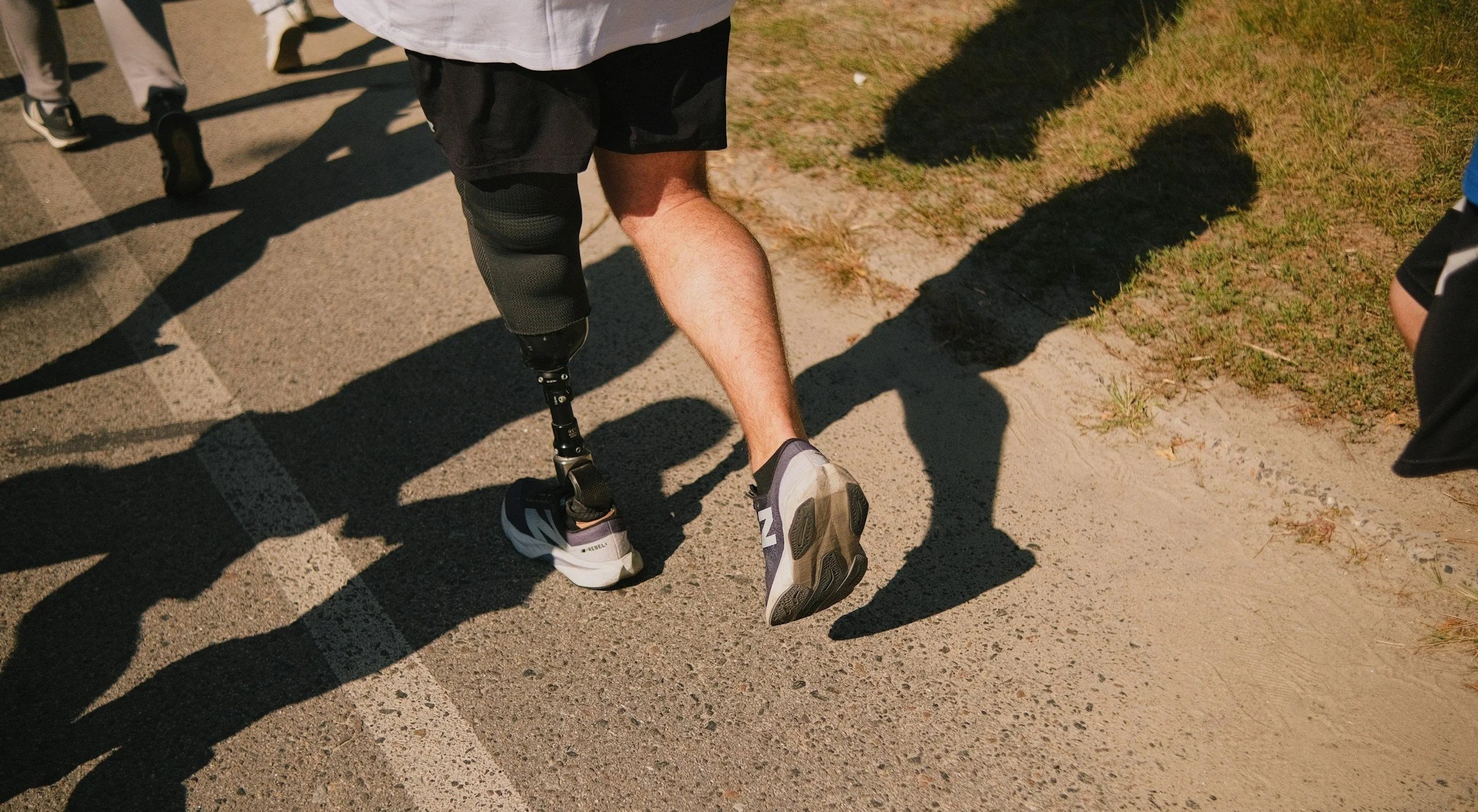
Amputation changes how you move through the world, but it doesn't have to limit where you go. We work with lower limb amputees from walking confidently at home to navigating outdoor terrain and returning to a full life.
-
A brain tumor diagnosis — whether primary or metastatic — affects more than what we see. Physical therapy won't change the diagnosis, but it can meaningfully preserve function, maintain independence, and support care through every stage of treatment and beyond.
-
If your diagnosis isn't listed here, that doesn't mean we can't help. Contact us and we'll let you know honestly whether we can help.


What Families Often Ask
-
Possibly, yes. The core principles of neuro PT — neuroplasticity, task-specific exercise, functional movement retraining — apply across a wide range of conditions. Contact us and describe the situation and your goals. We'll give you an honest answer about whether we're the right fit, and if we're not, we'll do our best to point you in the right direction.
-
Yes — and this is one of the most important questions in neuro PT. For progressive conditions, the goal shifts from recovery to preservation: maintaining strength, slowing functional decline, reducing fall risk, and supporting quality of life for as long as possible. Our goal is to “stretch” your abilities for as long as we can, so you can experience the most out of your life.
-
Yes. Complex neurological conditions are best managed as a team. We communicate with referring providers and specialists when appropriate, and we make sure our treatment plan complements — rather than conflicts with — the broader care picture.
-
Getting started is simple. Reach out through our contact form or schedule a call—we’ll walk you through the next steps and answer any questions along the way.