

Moving well with Parkinson’s is possible — and it matters
Specialized neurological physical therapy helps people with Parkinson's stay stronger, move more safely, and maintain independence longer
Our Keys for lifelong Parkinson’s Health
Engage the Brain
Parkinson’s is a disease not just of the body, but of the mind. We focus on enhancing the brain-body connection by mixing cognitive challenges with physical tasks.

High Intensity, High Reward
Research shows that high-intensity exercise is particularly effective for Parkinson's. We use evidence-based protocols — including LSVT BIG and amplitude-focused training — to challenge you in the right way.

Life-Long Maintenance
Parkinson’s doesn’t go away - so why should we? We partner with you to set up a life-long maintenance program to keep you moving freely. The goal isn’t just symptom management - it’s staying ahead of them.
Understanding Parkinson’s
-
Parkinson's disease is a progressive neurological condition that affects the brain's ability to control movement. It occurs when dopamine-producing cells in the brain are gradually lost, leading to the motor symptoms most people recognize — tremor, stiffness, slowness, and balance difficulties.
While Parkinson's is progressive, research consistently shows that exercise is one of the most powerful tools available to slow that progression. Regular, intensive physical therapy can help preserve function, reduce fall risk, and maintain quality of life across all stages of the disease.
-
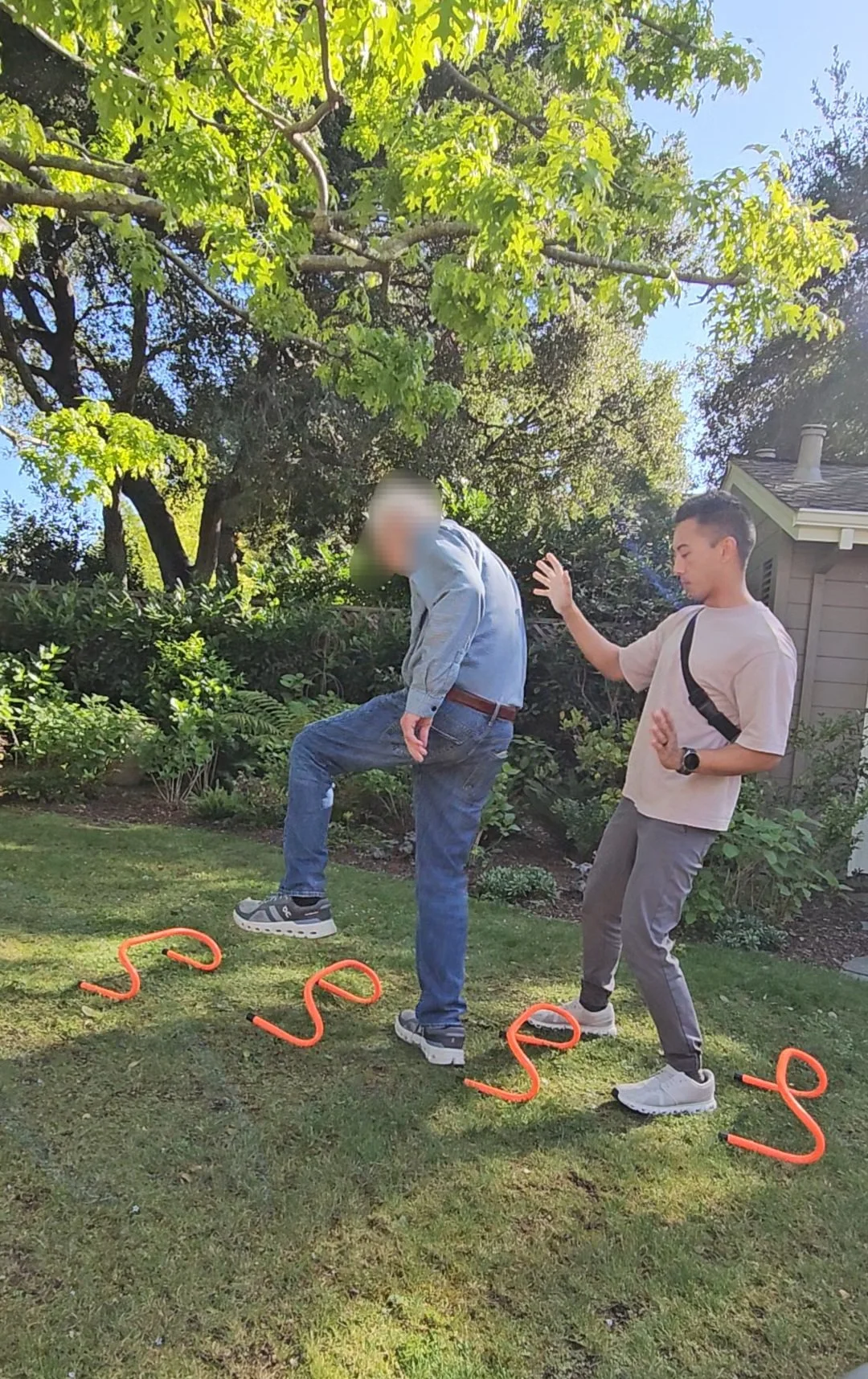
Parkinson's disease is progressive — but its pace is not beyond influence. Physical therapy, particularly high-intensity exercise, is one of the most well-researched tools for slowing functional decline in people with Parkinson's. Through amplitude-focused movement training, gait and balance retraining, and strategies to address freezing and fall risk, we help patients move with greater confidence and control. We’re not here to settle - we’re here to fight for every bit of function for as long as possible.
-
Each person presents with a unique set of Parkinson’s signs, with the most common being:
Slowed or stiff movement (bradykinesia)
Freezing or shuffled gait
Loss of balance
Muscle rigidity and weakness
Fear of falling
Difficulty getting up from a chair
Not knowing what exercises are best for your specific problems


What Families Often Ask
-
As early as possible. Research strongly supports starting PT soon after diagnosis, before significant functional decline occurs. Early intervention helps establish good movement habits, builds a baseline of strength and balance, and gives you strategies to stay active as the disease progresses.
-
Yes. People at all stages of Parkinson's benefit from physical therapy. For those further along, the focus may shift toward fall prevention, safe mobility, caregiver training, and maintaining as much independence as possible — all of which meaningfully impact quality of life.
-
Evidence suggests that intensive exercise may have neuroprotective effects — meaning it may help preserve the brain cells affected by Parkinson's. While PT cannot stop the disease, it has been shown to meaningfully slow functional decline, reduce fall risk, and improve quality of life.
-
Getting started is simple. Reach out through our contact form or schedule a call—we’ll walk you through the next steps and answer any questions along the way.