
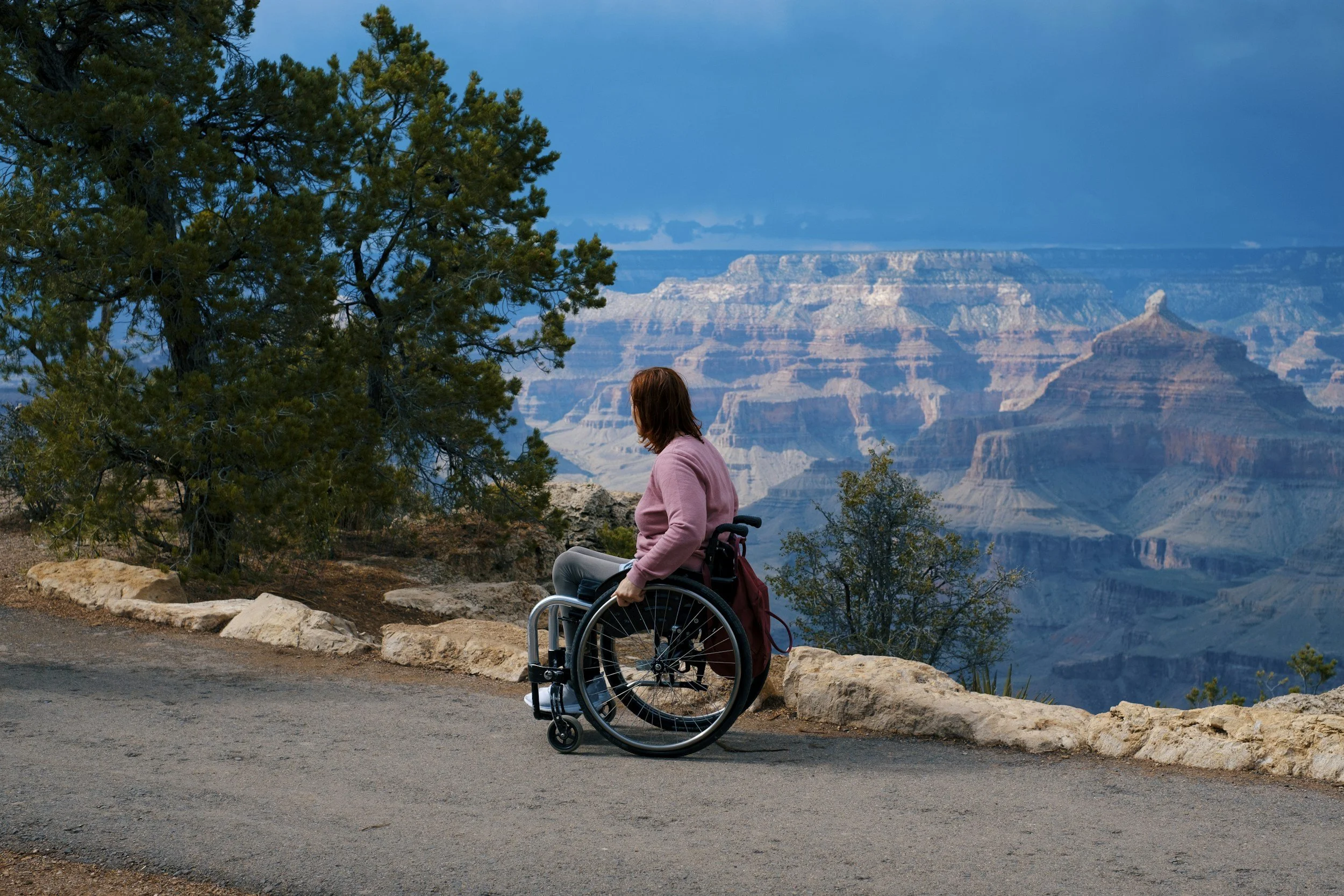
Life after Spinal Cord Injury keeps moving — we help you move with it
Physical therapy for people with spinal cord injury helps to rebuild not only strength and mobility, but function, confidence, and independence. There’s potential for more, at any level of injury.
Our Keys for Spinal Cord Injury Rehab
Build What You Can
Recovery isn't built on what the injury took — it's built on what it didn't. Identifying residual potential gives us the foundation for everything that follows.
Intensity Pushes the Limit
Intensive, task-specific movement is what rebuilds function. Our neuro physical therapists are experts at using progressive challenges to push beyond. We don’t hold back, and neither should you.
Function is the Goal
The goal is not to get better at therapy, but to get back to life. We’ll help you explore how you can navigate a grocery store, manage a curb, get across the airport, and find a way to move through the world.
Understanding Spinal Cord Injury
-
A spinal cord injury occurs when damage to the spinal cord disrupts the signals between the brain and the body. Depending on the level and completeness of the injury, this can affect movement, sensation, strength, and autonomic functions below the site of injury. Spinal cord injuries can be incomplete, where some signals still pass through. Or they can be complete, where signals are preserved only above the level of injury.
-
Incomplete injuries offer significant opportunity for recovery through targeted rehabilitation. Even in complete injuries, physical therapy plays a vital role in maintaining strength, preventing secondary complications, learning basic and advanced wheelchair skills, and maximizing functional independence.
The nervous system retains a capacity to adapt and reorganize — and with the right exercise stimulus, meaningful gains are possible well beyond the acute phase of injury. -
No two spinal cord injuries are alike. We build every treatment plan around your injury level, functional goals, and daily life, often addressing things like:
Weakness or paralysis in arms or legs
Difficulty or inability to walk or stand
Spasticity, muscle tightness
Seated and standing balance challenges
Reduced endurance and fatigue
Transfers, community mobility, wheelchair skills progression
SCI education and functional preservation


What Families Often Ask
-
Yes. While the most rapid neurological recovery typically occurs in the first year, meaningful functional gains are possible well beyond that window. The nervous system retains plasticity throughout life, and with the right intensity and approach, we regularly see progress in patients years post-injury.
-
A complete injury means no motor or sensory function is preserved below the level of injury. An incomplete injury means some signals still pass through, which typically allows for greater recovery potential. We work with both — the goals and approach simply differ based on what function remains
-
Absolutely. PT for wheelchair users focuses on upper body strength, trunk stability, pressure relief, transfer training, and preventing the secondary complications — like pain, contractures, and skin breakdown — that can develop over time. Staying strong and functional matters regardless of mobility aid use.
-
Yes! There is so much to focus on - upper body strength, endurance for transfers and propulsion, advanced wheelchair skills for getting back into the world. A wheelchair changes how you move through life - it doesn’t have to stop how much you get to live.
-
Getting started is simple. Reach out through our contact form or schedule a call—we’ll walk you through the next steps and answer any questions along the way.