

Vestibular Dysfunction can throw your world sideways - we’re here to help you restore balance
Vestibular physical therapy is a specialized form of rehabilitation that targets the root cause of dizziness, vertigo, and balance dysfunction — so you can move through the world without fear.
Our Keys for Vestibular Rehab & Recovery

Accurate Assessment
Vestibular rehab only works when it's matched to the right condition. We identify exactly what's driving your symptoms before we treat anything.
Relearn and Rebalance
The vestibular system is adaptable. Through targeted exercises that retrain how the brain processes movement and space, most clients see meaningful improvement — often faster than they expect.
Strategic Return to Function
We map out each step, from basic head movements to crowded places to physical exertion, expanding what you can tolerate until the life you were living before feels reachable again.
Understanding Vestibular Dysfunction
-
The vestibular system is made up of structures in the inner ear and their connections to the brain. It’s responsible for your sense of balance and spatial orientation. When something disrupts this system, the result can be dizziness, vertigo, unsteadiness, visual disturbances, and a pervasive sense that the world is moving beneath your feet.
-
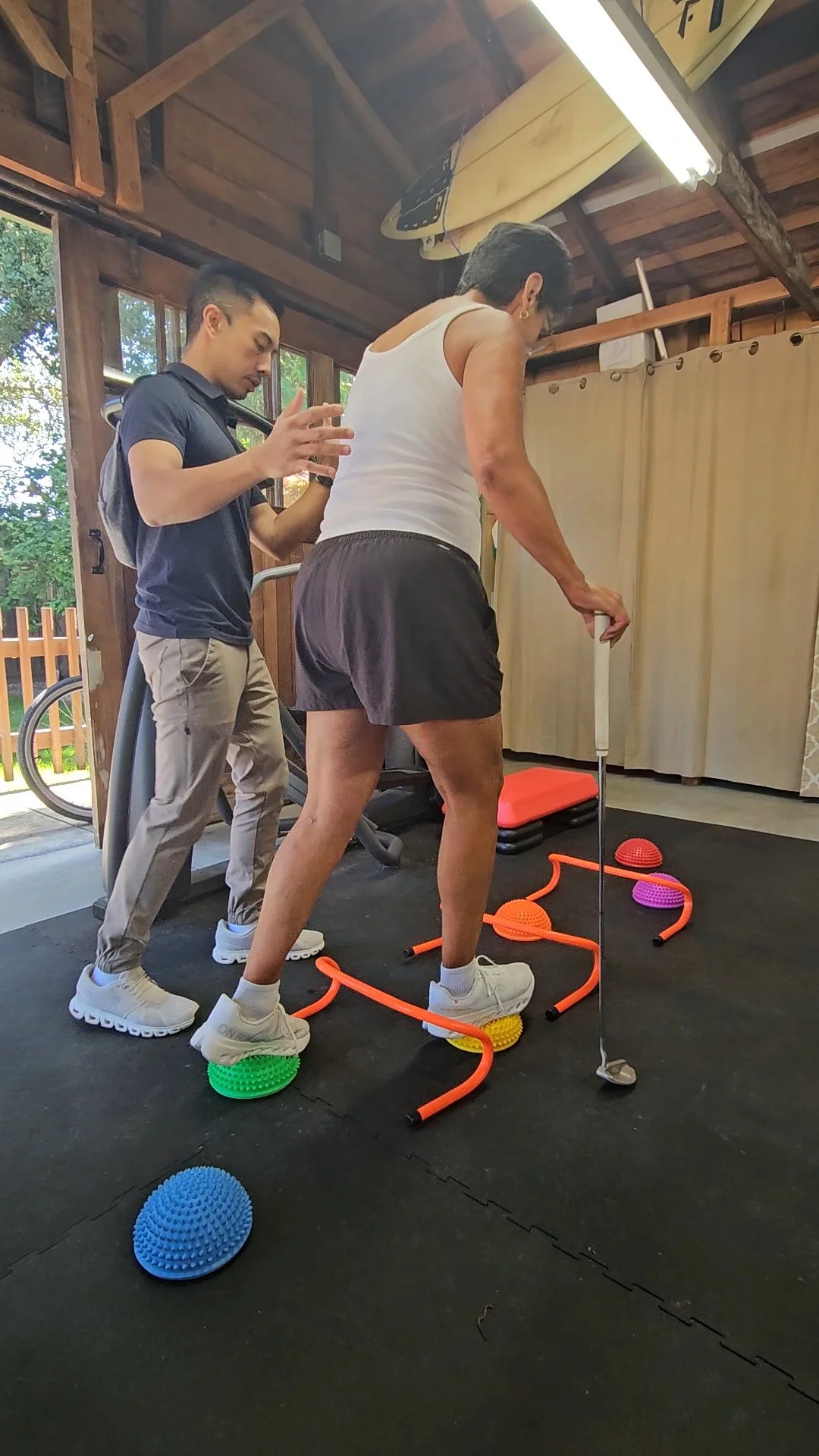
Vestibular rehab is a specialized form of physical therapy that targets these symptoms at their source. Using precise assessment and interventions, we retrain how the brain processes balance and movement signals. For many conditions, including BPPV, results are fast and dramatic. For others the process is more gradual, but the goals is the same - to restore balance and move without hesitation.
-
Vestibular dysfunction can stem from many sources. We treat a ride range of vestibular conditions, including but not limited to::
BPPV - the most common cause of vertigo
Vestibular Neuritis or Labyrinthitis - inflammation of the inner ear
Vestibular Hypofunction - reduced function on one side of the vestibular system
Visual Motion Intolerance - difficulty in busy or crowded places
Cervicogenic Dizziness - often after whiplash or prolonged neck strain
Post-Concussive Vestibular Dysfunction
Age-Related Balance Decline


What Families Often Ask
-
Vestibular rehab requires specialized training in the anatomy and function of the inner ear, the visual system, and their connections to the brain. A generalist PT may not have the assessment tools or treatment protocols needed to address vestibular dysfunction accurately. Getting the diagnosis right — and matching it to the right treatment — is what makes vestibular rehab work.
-
No. Chronic vestibular dysfunction is very treatable. The brain retains the ability to compensate and adapt. Many of our clients have been dizzy for years before finding vestibular rehab, and still make significant progress. Duration of symptoms does not predict outcome as much as people expect.
-
Some exercises are designed to provoke mild symptoms — this is how habituation works. We calibrate carefully to attune your brain to what’s normal again. The goal is never to overwhelm you. We explain exactly what to expect with each exercise and adjust based on your response. Temporary mild symptom increase during treatment is normal and expected - and often needed.
-
Most likely yes, and the avoidance itself is part of what's keeping you stuck. The brain needs controlled exposure to triggering movements to recalibrate and learn they're safe. Avoiding them prevents that from happening. Through gradual, structured progression, we reintroduce the activities you've been avoiding at a pace your nervous system can handle, until what once triggered symptoms no longer does.
-
Getting started is simple. Reach out through our contact form or schedule a call—we’ll walk you through the next steps and answer any questions along the way.